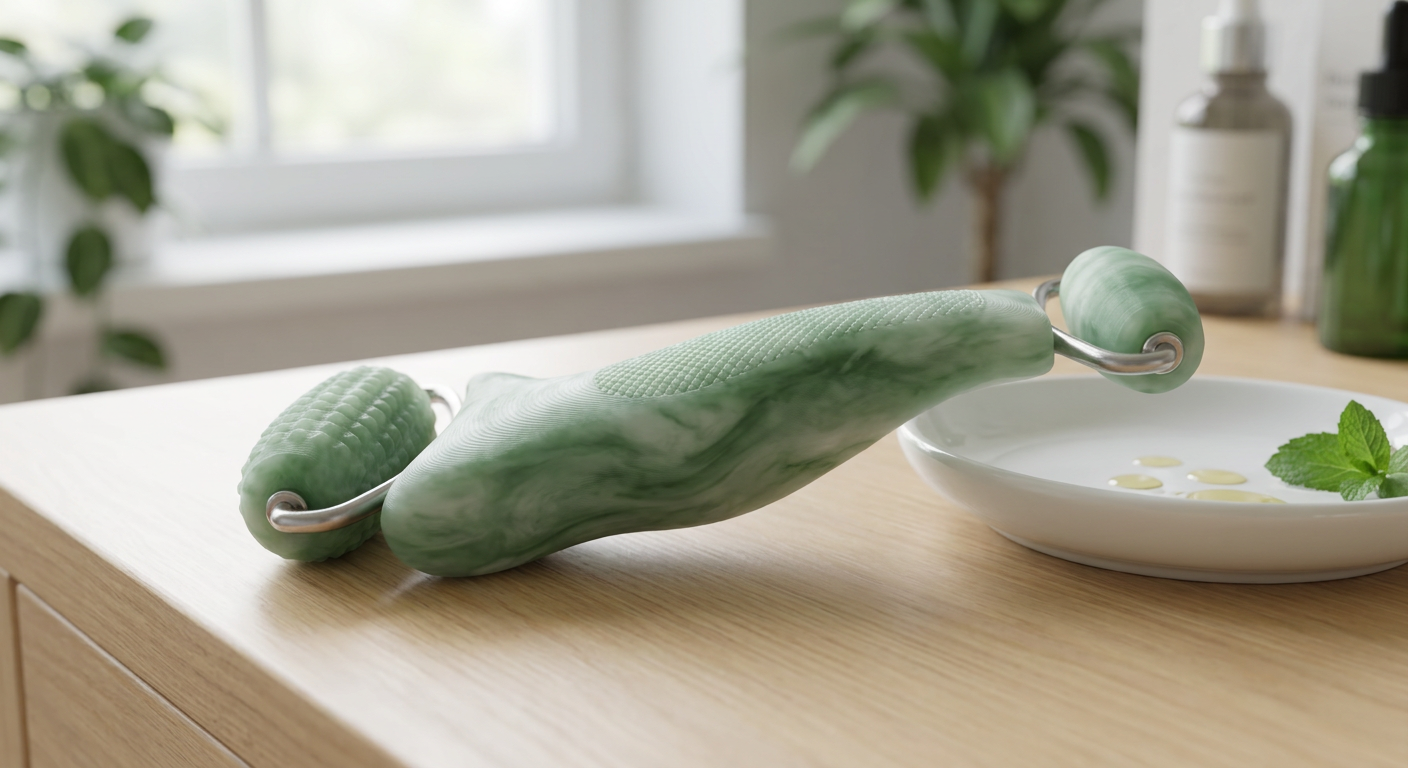
Facial Tool Manufacturing
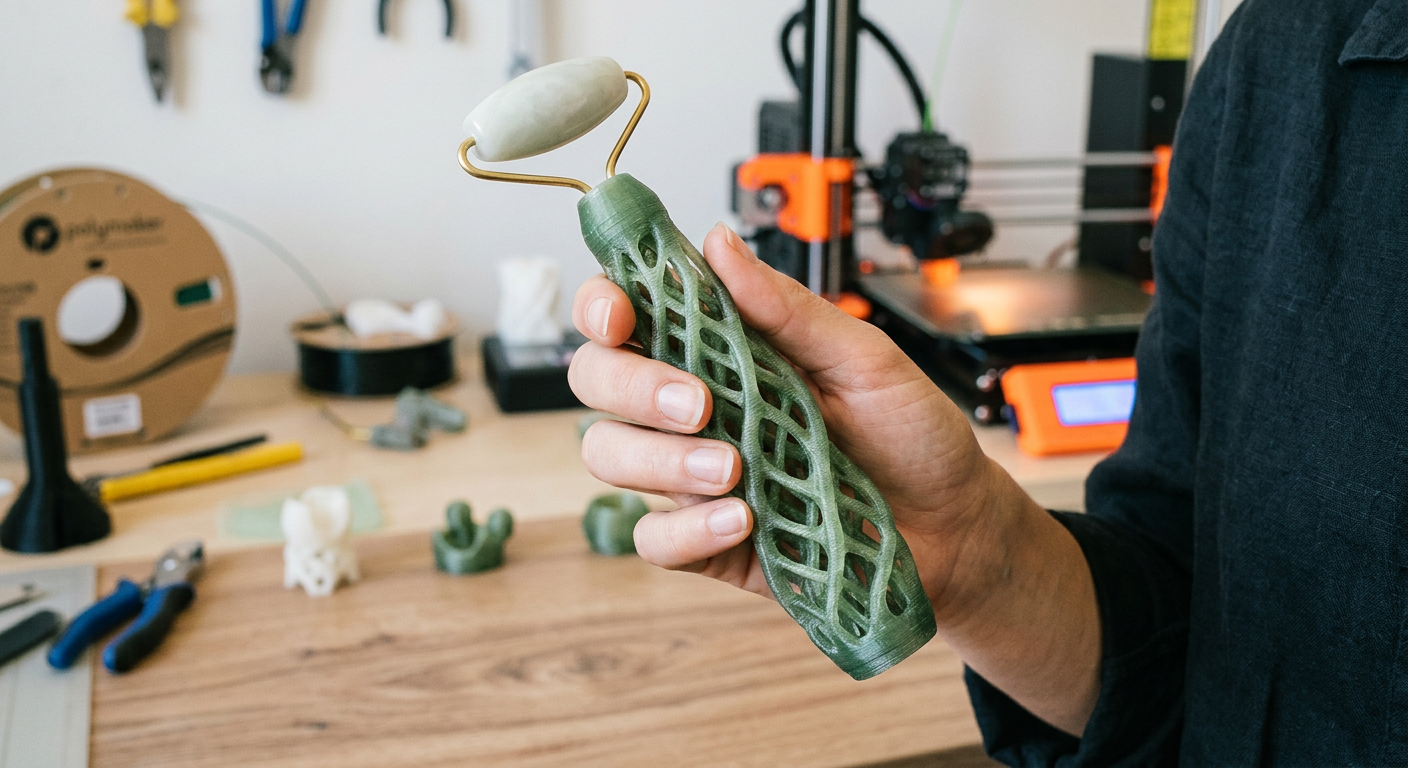
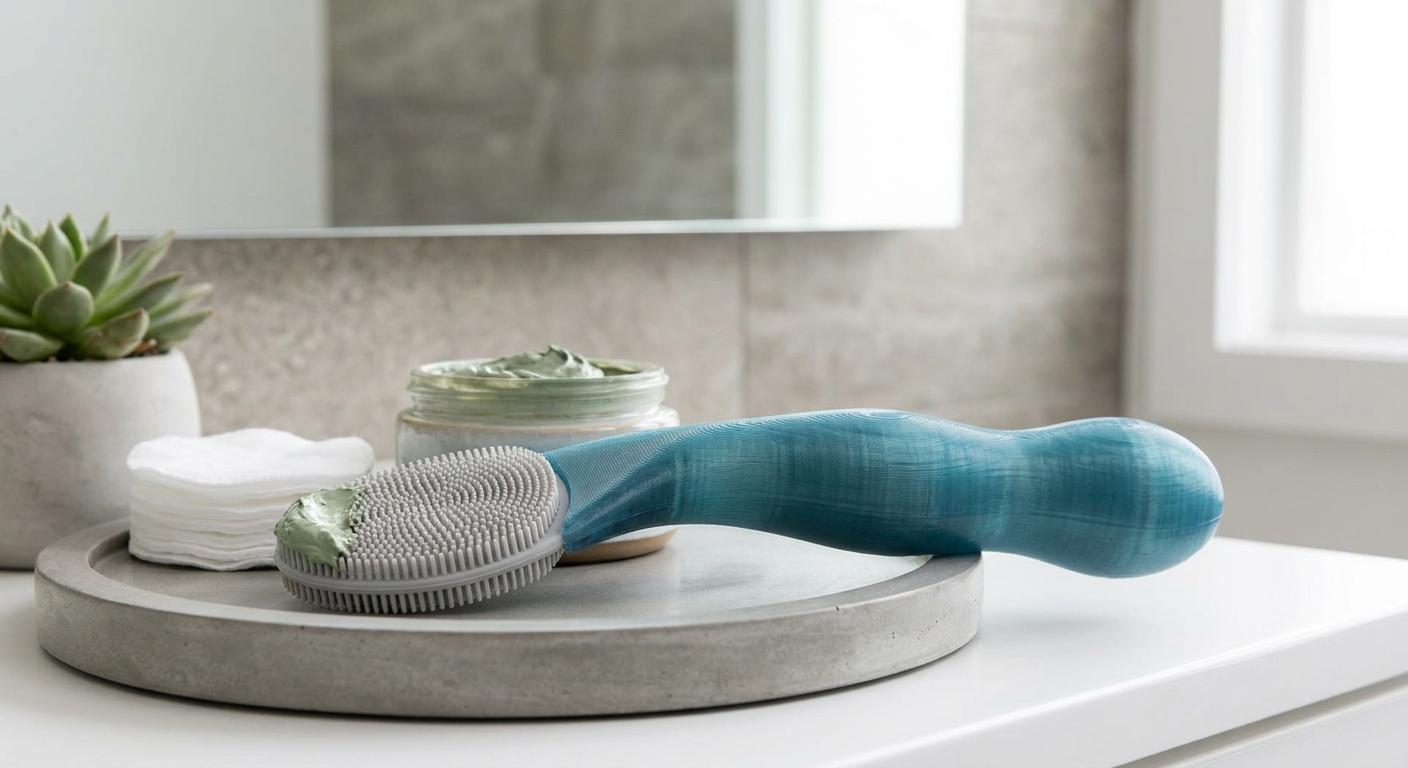
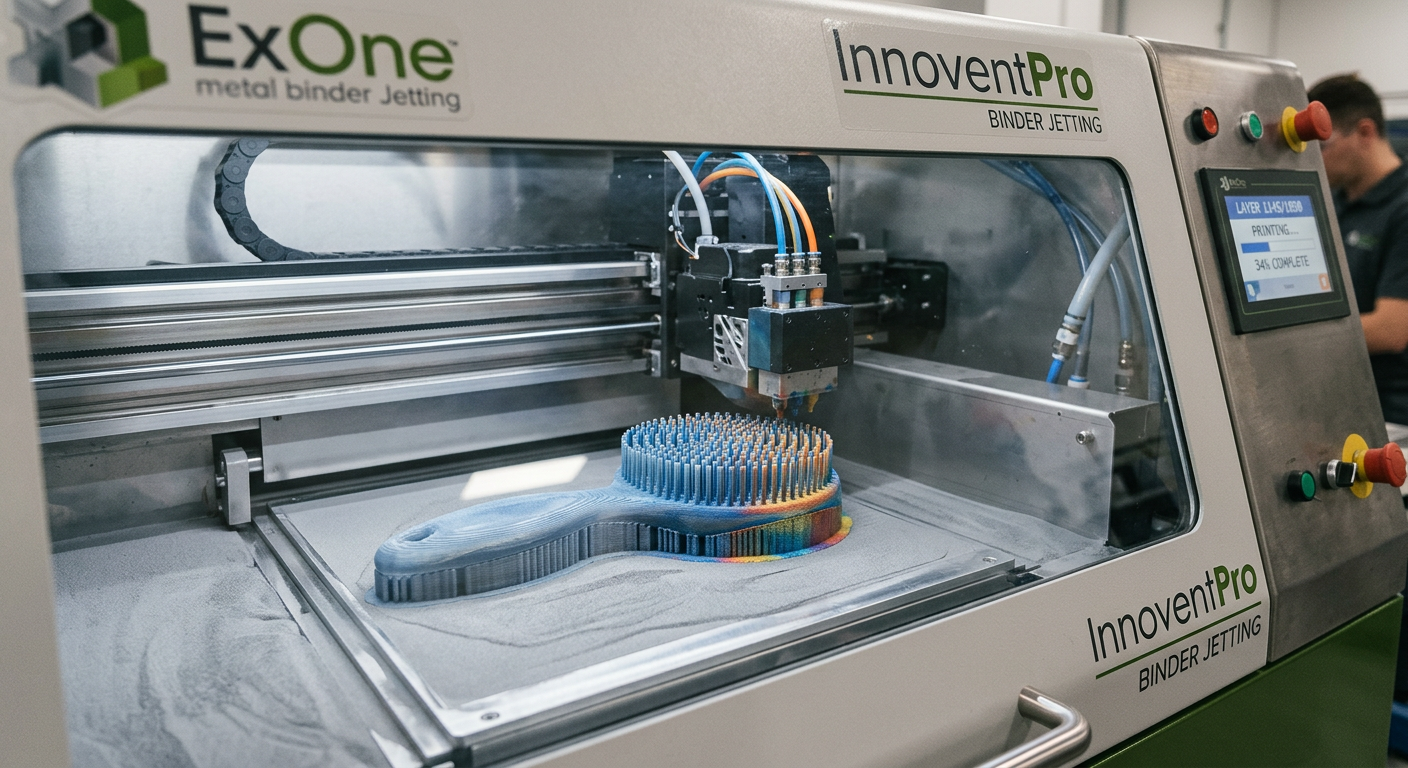
Additive manufacturing removes the tooling barrier for beauty brands developing custom facial tools. Gua sha stones (printed in ceramic-composite or stone-filled resin), facial rollers with precision bearing housings, cleansing brush heads with defined bristle-hole geometry, and microneedling device handles can all be produced in production quantities of 1–5,000 units without mold investment. Skin-contact materials: medical-grade SLA resins (ISO 10993 biocompatibility), polypropylene (SLS), and TPU for flexible applicator heads.
Device Housings & Enclosures
The skincare device market — LED red/blue therapy, radio-frequency skin tightening, ultrasonic infusion, and microcurrent EMS — requires consumer-grade enclosures with complex ergonomics that injection molding struggles to prototype affordably. SLA and multi-jet fusion printing produces watertight IPX4-rated housings with surface finish Ra < 0.8 µm after post-processing. Material options include ABS-like resins with UL94 V-0 flame rating and bio-based PA12 for sustainably positioned brands. EMI shielding inserts and threaded heat-set inserts installable at print stage.
Packaging Prototypes
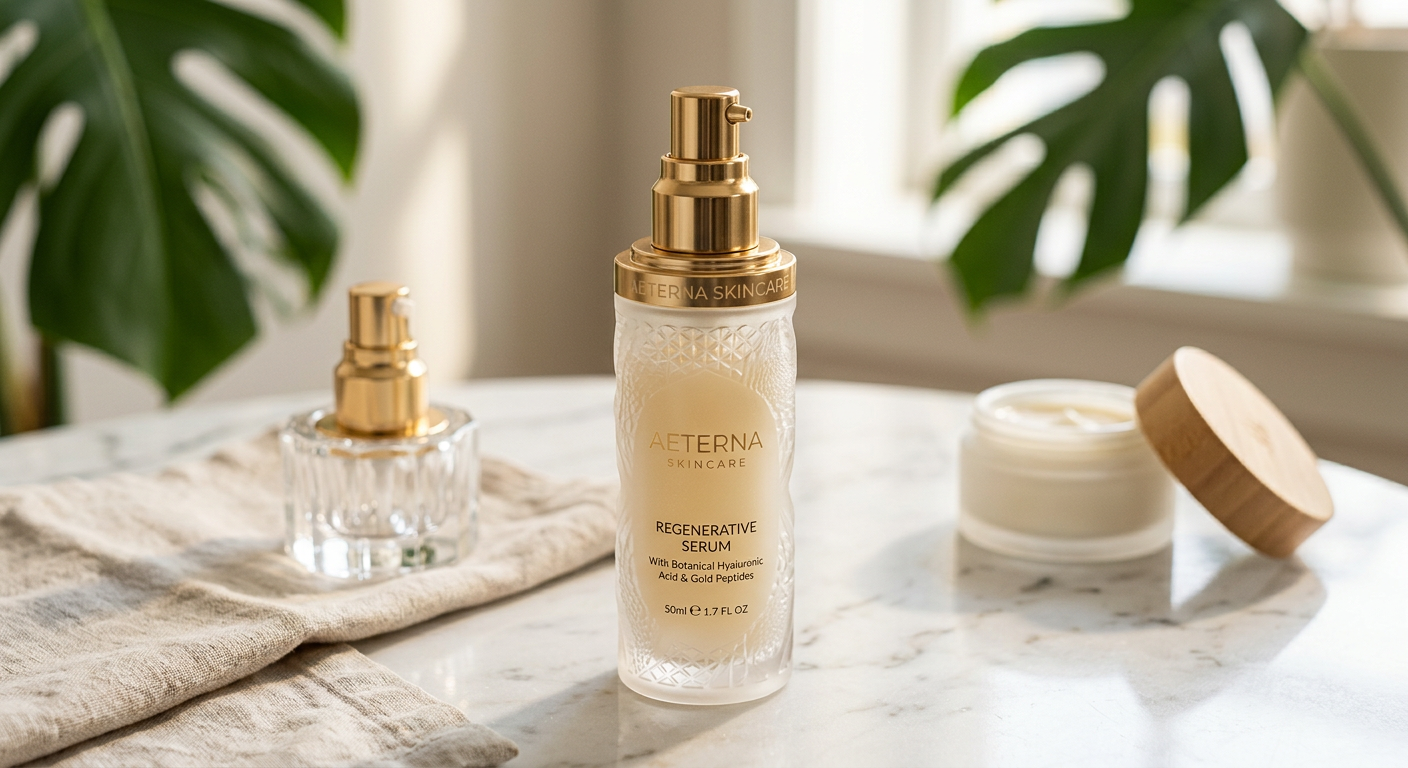
Beauty packaging development typically requires months of tooling lead time for injection-molded components. 3D printing allows brands to evaluate form factor, ergonomics, dispensing mechanism, and shelf presence with functional prototypes in 48 hours. Airless pump assemblies, dropper bottle caps, jar lids with magnetic closure, and custom dispenser orifices are all achievable. SLA resin produces the transparency and surface quality needed for accurate color and finish evaluation. Compatible with standard fill volumes (15 mL, 30 mL, 50 mL) for formulation testing.
Microfluidic & Lab Components
Skincare formulation R&D increasingly requires bespoke laboratory components: patch testing fixtures that hold 12–96 samples at controlled pressure, sample applicators with defined surface-area contact geometry, transdermal patch holders for permeation studies, and microfluidic channels for ingredient diffusion modeling. High-resolution SLA (25–50 µm layer height) produces the feature resolution needed for channel widths < 0.3 mm. Resin biocompatibility testing per ISO 10993-5 (cytotoxicity) and ISO 10993-10 (sensitization) available on request.